


THE BEST EXERCISES FOR NEW GYM GOERS
- Sara Sutherland

- Mar 11
- 3 min read

Walking into a gym for the first time can feel a little overwhelming. Machines everywhere, people lifting heavy weights, music pumping—where do you even start?
If you're new to working out, the key is to keep it simple and build a strong foundation. You don’t need to do every exercise you see or master complicated movements right away. Instead, focus on a handful of effective exercises that train your whole body, build confidence, and help you feel better with each session.
Let’s break down the best exercises for beginners and why they belong in your routine.
Start With Movement Patterns, Not Muscle Groups
Instead of trying to isolate each muscle right off the bat, beginners should focus on fundamental movement patterns:
● Squat
● Hinge (hip bend)
● Push
● Pull
● Core stabilization
These movements carry over into real life and set the stage for everything else you’ll do in the gym later on.
The Top Beginner-Friendly Exercises
1. Bodyweight Squat
Squats train your legs, hips, and core all at once. Starting with bodyweight helps you learn proper form before adding weight.
Tips:
● Keep your chest up and back neutral
● Sit your hips back like you're lowering into a chair
● Go as low as you can while keeping control
Once comfortable, you can progress to goblet squats using a dumbbell or kettlebell.
2. Dumbbell Deadlift (Romanian Style)
This teaches the hip hinge pattern—key for building strong glutes and hamstrings, while also training your lower back in a safe way.
Tips:
● Keep a soft bend in the knees
● Push your hips back, not down
● Keep the dumbbells close to your legs and your spine neutral
It’s a great low-risk way to prepare for barbell deadlifts later on.
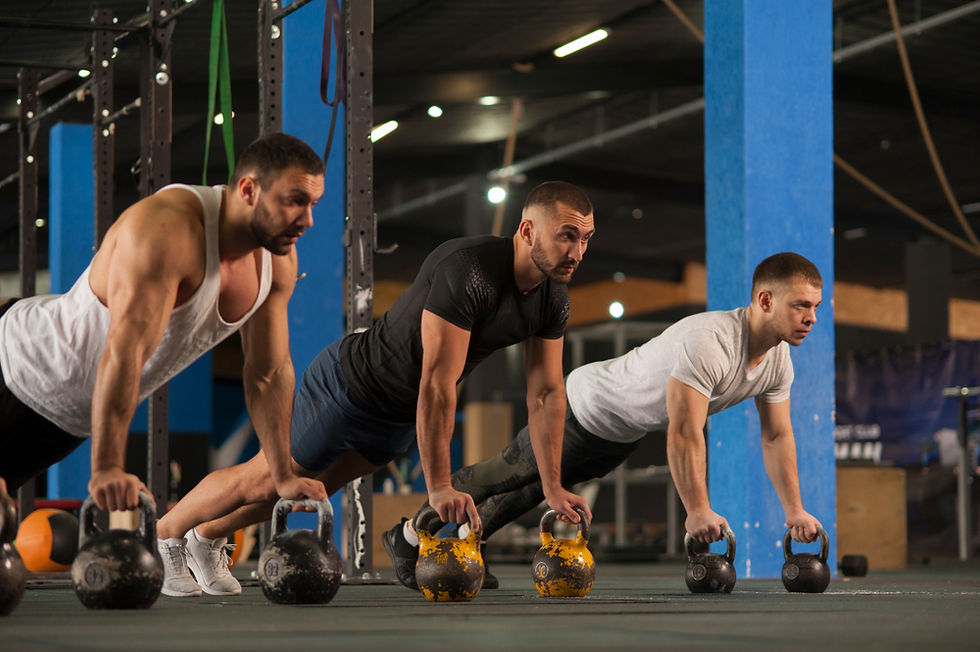
3. Push-Ups (or Modified Push-Ups)
Push-ups train your chest, shoulders, triceps, and core. They're also a great test of body control.
If full push-ups from the floor are too challenging at first, start with:
● Incline push-ups on a bench
● Knee push-ups with proper form
Focus on quality over quantity.
4. Dumbbell Shoulder Press
Pressing overhead builds strength in the shoulders and triceps, and it's easier to learn with dumbbells than with a barbell.
Tips:
● Sit on a bench with back support
● Start with light weights
● Keep your core tight and wrists in line with your shoulders
Overhead strength translates well into daily life—like lifting groceries or storing things on high shelves.
5. Dumbbell Row (or Seated Cable Row)
Pulling exercises help balance out all the pushing and develop your upper back and biceps.
Options:
● One-arm dumbbell row using a bench
● Seated cable row for more control and support
Good pulling strength also helps improve posture and reduces shoulder strain.
6. Plank
Planks teach core stability, which protects your spine and supports everything from squats to deadlifts.
Tips:
● Elbows under shoulders
● Squeeze glutes and brace your abs
● Keep your body in a straight line from head to heels
Start with short holds (20–30 seconds) and build from there.
What About Machines?
Machines aren’t off-limits! In fact, many beginners find them less intimidating and easier to use. Leg presses, lat pulldowns, and cable machines can be great tools for learning how to engage your muscles without worrying about balance or coordination.
Just be sure to learn how to adjust the machine and use proper form. When in doubt, ask a trainer or staff member for a quick walkthrough.
How to Put It All Together
For your first few weeks, aim for 2–3 full-body workouts per week, with:
● 1 squat or leg movement
● 1 hinge (hip-focused) movement
● 1 upper-body push
● 1 upper-body pull
● 1 core exercise
Keep the sets and reps simple—start with 2–3 sets of 8–12 reps. Focus on learning form, building confidence, and not overdoing it.
Final Thoughts
Starting at the gym doesn’t have to be complicated. The best exercises for new gym goers are simple, effective, and build the foundation for everything else. Stick to the basics, be consistent, and don’t worry about what everyone else is doing.
Progress takes time, but every workout builds momentum. Keep showing up, focus on form, and trust the process. You’ve got this.


Comments